
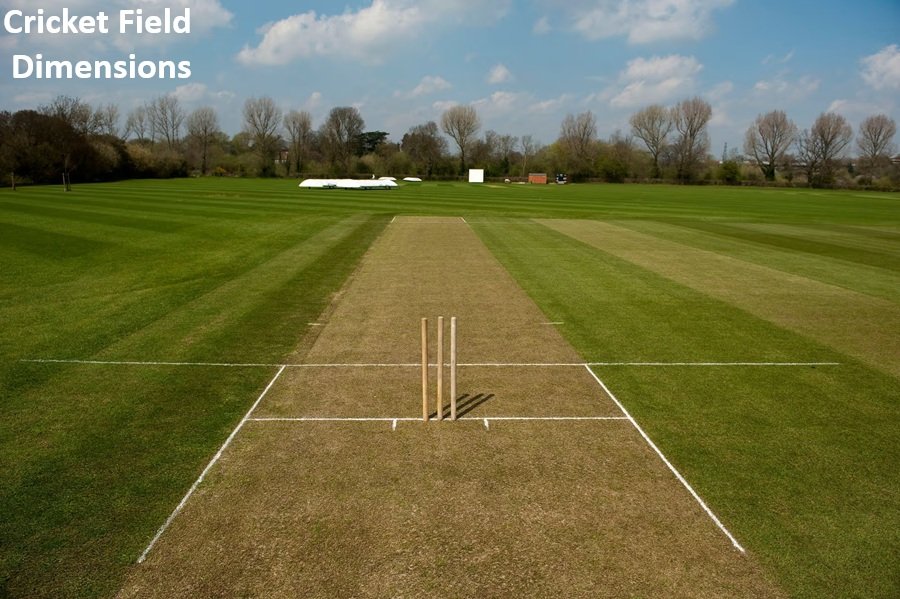

Introduction: Cricket Field Dimensions
Cricket is one of the most well-known sports in the international arena, finished in specific codecs collectively with Test cricket, One Day Internationals (ODIs), and Twenty20 (T20). Although the simple guidelines stay comparable, cricket grounds can range in form, length, playing situations, and boundary distances. Understanding cricket area dimensions is crucial for game enthusiasts, coaches, floor frame of employees, cricket fanatics, and each person interested in getting to know how the sport is organised.
A cricket scenario is often a large oval or spherical vicinity with a square pitch within the centre. The pitch is the primary playing ground in which batters and bowlers compete. Around the pitch is the infield, on the identical time due to the fact the outer region extends toward the boundary rope. Specific measurements look at the pitch, wickets, creases, and fielding hints, however the overall floor no longer has one unusual length. In this manual, we can explain enormous cricket discipline measurements, pitch dimensions, boundary distances, fielding circles, and variations amongst cricket codecs.


What Are Cricket Field Dimensions?
Cricket subject dimensions are seeking advice from the measurements of various areas of a cricket ground. These encompass the vital pitch, wickets, creases, boundary, and fielding circles. Unlike a few sports activities, cricket no longer has a single constant basic ground duration for every stadium. The dimensions can range depending on the venue, to be had land, gambling situations, and competition rules.
However, the critical cricket pitch has fashionable measurements. International cricket moreover follows precise regulations for boundary distances and fielding rules. Understanding the ones measurements helps provide a cause of how cricket grounds are designed and the manner wonderful gambling situations impact a in shape.
Standard Cricket Pitch Dimensions
The cricket pitch is the maximum critical part of the playing place. It is a square strip located within the centre of the world. Bowlers supply the ball from one stop, at the same time as batters attempt to score runs at the alternative surrender.
The present day cricket pitch measures:
- Length: 22 yards (20.12 metres).
- Width: 10 (3.05 metres).
- Pitch shape: Rectangular.
- Surface: Usually herbal grass, in spite of the truth that other prepared surfaces can be applied in some competitions.
The pitch period is measured by a number of the devices of wickets. This size remains the same in Test suits, ODIs, and T20 cricket. The pitch ground is carefully organized to provide suitable conditions for batting and bowling. Its grass insurance, moisture, hardness, and put on could have an effect on how the ball behaves.
Important Measurements of a Cricket Pitch
Several markings and systems are positioned on the pitch to make sure that the sport follows present day-day guidelines.
1. Bowling Crease
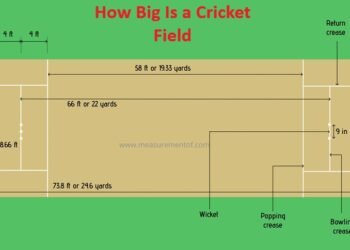
The bowling crease is the line drawn at the back of the stumps at each stop of the pitch. It is eight feet 8 inches (2.64 metres) long. It lets in decide whether or not a bowler has introduced the ball legally.
2. Popping Crease
The popping crease is placed 4 feet (1.22 metres) within the front of the bowling crease. It is crucial for locating out whether a batter is correctly within the crease and whether a bowler has overstepped the road.
3. Return Crease
Return creases are the lines drawn perpendicular to the bowling crease. They extend in the again of the popping crease and help define the region in which a bowler needs to deliver the ball.
4. Cricket Wickets
Each wicket includes three wood stumps and bails. The favored wicket measurements are:
- Height of stumps: 28 inches (71.12 cm).
- Total width of wickets: 9 inches (22.86 cm).
- Number of stumps: 3.
- Number of bails: 2.
These measurements are popular for grownup cricket and are important for preserving consistency during expert suits.
Cricket Ground Boundary Dimensions
The boundary is the outer fringe of the gambling location. It is normally marked with a rope, painted line, or any other permitted boundary marker. Unlike the pitch, the overall boundary distance isn’t the same at every cricket stadium. Some grounds have specifically short barriers, while others offer big gambling areas.
For men’s international constrained-overs cricket, the ICC gambling conditions generally goal for boundary distances of:
- Minimum distance: 65 yards (59.43 metres).
- Maximum distance: 90 yards (82.29 metres).
These distances are measured from the centre of the pitch being used. Certain previously authorized grounds might also have exemptions from the minimum dimension. Boundary dimensions may additionally have an impact on batting strategies. Shorter barriers can also additionally make it less complex for batters to hit sixes, on the identical time as larger grounds can praise game enthusiasts who run rapid a few of the wickets and area the ball into gaps.
Cricket Field Dimensions in Different Formats
Cricket is performed in several codecs, along with Test suits, ODIs, and T20 suits. The important pitch measurements live the identical, but the gambling situations and fielding policies range.
1. Test Cricket Field Dimensions
Test cricket is the longest format of the sport. Matches are typically completed over 5 days, with every group having innings. The pitch measures 22 yards lengthy and 10 feet big, much like different formats. There is not any state-of-the-art 30-outside fielding restriction circle in Test cricket much like the restrained-overs circle. The fielding captain can role game enthusiasts consistent with the situation, hassle to the Laws of Cricket.
2. ODI Cricket Field Dimensions
One Day International cricket is executed over a maximum of 50 overs in keeping with the group. The pitch dimensions remain unchanged, but fielding regulations play an important position. A 30-backyard fielding circle is used to regulate the style of fielders allowed outside the circle within the route of specific stages of the innings. These guidelines encourage attacking cricket and create possibilities for batters to score runs.
3. T20 Cricket Field Dimensions
T20 cricket is a shorter layout in which every team generally performs 20 overs. The pitch stays 22 yards prolonged and 10 ft big. The 30-outdoor fielding circle is likewise applied in T20 cricket, with format-precise regulations controlling the amount of fielders allowed outside it. Because T20 cricket makes a speciality of brief scoring, boundary distance, vicinity placement, and ground conditions can also have an incredible effect on in shape effects.
What Is the 30-Yard Circle in Cricket?
The 30-outdoor circle is a critical marking utilized in confined-overs cricket. It permits officials and gamers to perceive the limited fielding vicinity. The circle is ready 27.43 metres in radius and is marked throughout the foremost pitch vicinity in line with the relevant gambling situations.
In ODIs and T20 matches, fielding policies determine what number of gamers can stand outside this circle at some point of unique stages of the innings. The most important purpose of the circle is to keep a balance among batting and bowling. It encourages corporations to attack for the duration of the powerplay at the same time as additionally permitting shielding location placements later inside the innings.
Cricket Field Dimensions in Metres and Feet
The following table gives a brief assessment of crucial cricket pitch and floor measurements.
| Cricket Field Feature | Standard Measurement |
|---|---|
| Pitch length | 22 yards (20.12 metres) |
| Pitch width | 10 feet (3.05 metres) |
| Bowling crease length | 8 feet 8 inches (2.64 metres) |
| Popping crease distance | 4 feet (1.22 metres) |
| Stump height | 28 inches (71.12 cm) |
| Wicket width | 9 inches (22.86 cm) |
| 30-yard circle radius | 30 yards (27.43 metres) |
| Minimum international limited-overs boundary target | 65 yards (59.43 metres) |
| Maximum international limited-overs boundary | 90 yards (82.29 metres) |
Note: Boundary necessities and fielding pointers depend upon the competition’s applicable gambling conditions.
How Is a Cricket Ground Designed?
Designing a cricket ground requires careful making plans, appropriate land, and proper measurements. Ground authorities need to bear in mind player safety, spectator centers, drainage, and gambling conditions.
A everyday cricket ground consists of the subsequent regions:
1. Central Pitch: The square gambling strip wherein the number one movement takes vicinity.
2. Cricket Square: The particularly organized place containing the match pitch and, wherein relevant, distinct organized pitches.
3. Infield: The vicinity closer to the pitch wherein many fielders are located.
4. Outfield: The larger grass-covered area of the organized rectangular and the boundary.
5. Boundary Area: The periphery that determines whether or not the ball is interior or out of doors the playing trouble.
6. Sight Screens: Large suggests positioned at the back of the bowler’s arm to assist batters see the ball surely.
7. Player and Officials’ Areas: Dedicated regions for game enthusiasts, coaches, umpires, and one-of-a-kind healthful officers.
A well designed cricket ground offers a stable and appropriate surroundings for competitive suits.
Difference Between Cricket Pitch and Cricket Field
Many human beings use the phrases cricket pitch and cricket region interchangeably, however they’ve got unique meanings.
| Feature | Cricket Pitch | Cricket Field |
|---|---|---|
| Meaning | Central rectangular playing strip | Entire playing area |
| Shape | Rectangular | Usually oval or circular |
| Main purpose | Batting and bowling | Fielding and overall gameplay |
| Measurement | 22 yards × 10 feet | Varies by stadium |
| Surface | Prepared grass or approved surface | Mainly natural grass |
| Boundary | Not applicable | Marked by a boundary rope or line |
The pitch is first-rate, a part of the cricket location. The vicinity includes the outfield, infield, and boundary place.
Why Are Cricket Field Dimensions Important?
Cricket region dimensions have a substantial effect on the sport. Correct measurements help maintain fairness, player protection, and consistency between awesome cricket venues. Here are some critical motives why those measurements rely.
1. Fair Competition
Standard pitch measurements make certain that every team performs underneath consistent situations. Whether a healthy takes location in India, Australia, England, or South Africa, the vital pitch dimensions remain the identical.
2. Batting Performance
Boundary distances can affect a batter’s ordinary overall performance. Shorter boundaries may additionally moreover make hitting sixes easier, at the same time as big barriers require more strength and higher shot placement.
3. Bowling Strategy
Bowlers consider the ground length even as planning their deliveries. They may also trade their line, duration, and pace depending on the boundary positions and field placements.
4. Fielding Positions
The length and form of the playing vicinity impact how captains function their fielders. A large outfield may moreover moreover require gamers with extraordinary velocity and throwing ability.
5. Player Safety
Proper floor measurements provide sufficient playing place and assist reduce dangers associated with boundaries and unstable gambling conditions.
Factors That Affect Cricket Ground Size
Although cricket has famous pitch measurements, several elements have an effect on the overall period of a ground.
- Available land: Stadiums constructed in cities may additionally have an awful lot and an awful lot much less place than grounds located in outdoor town areas.
- Stadium layout: The shape of the stadium and the location of spectator stands can have an impact on boundary placement.
- International regulations: Different competitions can also have unique boundary necessities.
- Local situations: Existing stadium systems and floor layouts can have an effect on the playing location.
- Pitch place: The function of the essential pitch can affect the space to important barriers.
These factors supply a motive for why global cricket stadiums could have tremendous boundary dimensions even though every observer recognized cricket recommendations.
Read also- How Big Is a Cricket Field? Size, Boundary & DimensionsDifference Between International and Local Cricket Ground Dimensions
International cricket grounds are typically designed to meet professional gambling conditions. Local cricket grounds, college grounds, and exercise centers may additionally have specific measurements relying on to have space and the opposition. For instance, an expert stadium may also additionally have a massive outfield with surely marked obstacles, at the same time as a close-by cricket floor also can use a smaller gambling place.
However, maintaining the identical vintage 22-out-of doors pitch is important at the same time as playing conventional person cricket under the Laws of Cricket. Junior cricket can use modified pitch lengths, system, and playing areas in keeping with the age organisation and opposition recommendations.
Frequently Asked Questions (FAQs)
1. What are the equal vintage cricket situation dimensions?
There isn’t always any unmarried constant duration for the complete cricket subject. The elegant high-quality pitch measures 22 yards (20.12 metres) in duration and 10 feet (3.05 metres) in width.
2. How lengthy is a cricket pitch in toes?
A stylish cricket pitch is 66 ft lengthy, that is equal to 22 yards or about 20.12 metres.
3. What is the width of a cricket pitch?
The ultra-modern cricket pitch is 10 feet (3.05 metres) large.
4. What is the identical old cricket boundary distance?
For guys’s international limited-overs cricket, the general boundary goal is at least 65 yards and no more than ninety yards from the centre of the pitch, venture to relevant exemptions and gambling conditions.
5. Is the cricket pitch identical in Test, ODI, and T20 cricket?
Yes. The current adult cricket pitch measures 22 yards prolonged and 10 toes massive in all 3 codecs.
6. What is the dimensions of a 30-outside circle in cricket?
The 30-outdoor circle has a radius of 30 yards, approximately 27.43 metres. It is used for fielding regulations in confined-overs cricket.
7. How tall are cricket stumps?
Standard cricket stumps are 28 inches (71.12 centimetres) excessive above the playing floor.
8. Why do cricket stadiums have wonderful boundary sizes?
Cricket stadiums have unique boundary sizes due to variations in land availability, stadium form, pitch placement, and opposition suggestions.
Conclusion
Understanding cricket vicinity dimensions allows gamers, coaches, cricket lovers, and ground authorities to study extra approximately the shape of the game. The preferred cricket pitch measures 22 yards (20.12 metres) in duration and 10 ft (3.05 metres) in width. The wickets, creases, and other pitch markings additionally follow mounted measurements.



Comments 1