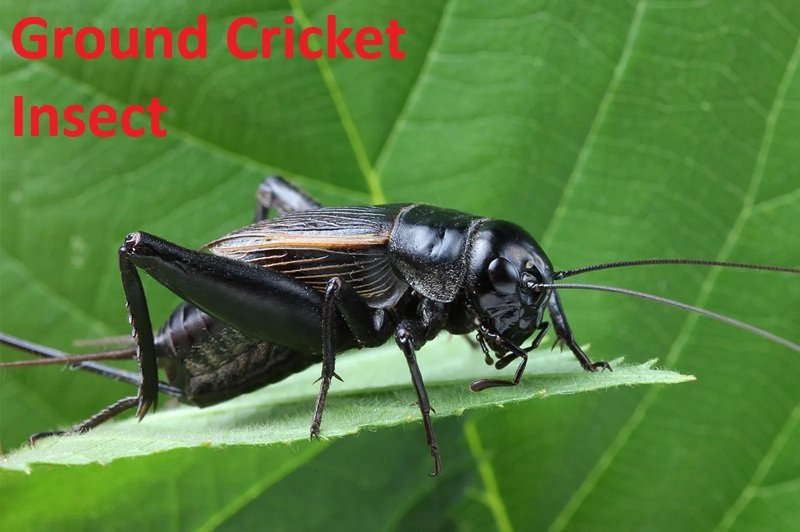

Introduction: Ground Cricket Insect
The floor cricket insect is a small but fascinating insect commonly positioned in gardens, agricultural fields, forests, and regions with moist soil. These bugs belong to the cricket circle of relatives and are recognised for their underground manner of life, leaping potential, and specific sounds. Unlike many floor-residing crickets, ground crickets spend lots of their time hiding below leaves, soil, and plant debris.
Ground crickets play an essential feature within the surroundings due to the fact they assist in ruining natural reproduction and function as food for plenty of birds, reptiles, and other predators. However, a few species can come to be pests when they damage vegetation, lawns, and younger plants.
This article explains the complete statistics about the ground cricket insect, which include its physical abilities, habitat, eating regimen, replica, benefits, issues, and management techniques.
What Is a Ground Cricket Insect?
A floor cricket is a small insect that belongs to the circle of relatives Gryllidae. It is carefully related to other cricket species but has been tailored to dwelling close to or beneath the ground. These bugs are usually energetic inside the path of the night time and cover during the daylight hours to keep away from predators and severe temperatures.
Ground crickets are recognized with the beneficial useful resource of their lengthy antennae, strong hind legs, cylindrical body form, and capability to offer sounds thru rubbing their wings together. They talk with each exception particularly via chirping sounds.
Unlike mole crickets, which dig deep tunnels and function by changing front legs, floor crickets usually live in shallow soil areas and underneath flora.
Ground Cricket Insect Scientific Classification
| Category | Details |
|---|---|
| Kingdom | Animalia |
| Phylum | Arthropoda |
| Class | Insecta |
| Order | Orthoptera |
| Family | Gryllidae |
| Common Name | Ground Cricket |
| Habitat | Soil, gardens, grasslands, forests |
| Activity Time | Mostly nighttime |
| Diet | Plants, organic matter, small insects |
Physical Characteristics of Ground Cricket Insect
Ground crickets are generally small-sized bugs with several unique physical capabilities. Their body shape allows them to tell the story in underground and ground-level environments.
Body Size
Most floor crickets are between 10 mm to twenty-five mm in duration, regardless of the fact that length varies depending on the species.
Body Color
They typically have darkish brown, black, or grayish body sunglasses. This herbal coloring lets in them conceal among soil, leaves, and plant substances.
Antennae
Ground crickets have lengthy, skinny antennae that help them come across movement, odor, and environmental adjustments.
Legs
Their effective hind legs permit them to jump quickly whilst threatened. The front legs are used especially for strolling and motion thru soil and plants.
Wings
Many ground cricket species have wings, but no longer all are strong flyers. They specially use their wings for generating sounds in desire for lengthy-distance excursions.
Habitat of Ground Cricket Insect
Ground crickets can continue to exist in hundreds of environments wherein moisture and food resources are to be had. They are commonly determined in:
- Gardens
- Agricultural fields
- Forest flooring
- Grasslands
- Lawns
- Areas with leaf muddle
- Moist soil regions
They pick locations with safety from direct sunlight hours due to the truth they lose moisture without problem. During warm climates, they hide below rocks, logs, leaves, and soil cracks.
Life Cycle of Ground Cricket Insect
The existence cycle of a ground cricket consists of three fundamental degrees:
1. Egg Stage
Female floor crickets lay eggs in moist soil or plant fabric. The quantity of eggs is based upon the species and environmental situations.
2. Nymph Stage
After hatching, more youthful crickets are called nymphs. They look much like character crickets but are smaller and do not now have completely advanced wings.
Nymphs expand thru several degrees referred to as molts. During every molt, they shed their outer skin and boom in length.
3. Adult Stage
After completing development, nymphs come to be adult floor crickets. Adults recognition on feeding, mating, and replica.
The whole lifestyle cycle might also moreover take several weeks to months depending on temperature, meals availability, and species.
Diet and Feeding Habits of Ground Cricket
Ground crickets are usually omnivorous bugs. Their eating regimen is composed of every plant and animal substance.
Common meals assets embody:
- Grass and plant leaves
- Seeds
- Roots
- Decaying natural don’t forget huge range
- Fungi
- Small bugs
- Dead bugs
Most floor crickets assist the surroundings with the aid of eating decomposing materials and recycling vitamins once more into the soil.
Behavior and Communication
Ground crickets are typically nocturnal insects, this means that they are more lively at night time. During the day, they disguise themselves from predators and heat.
Male crickets produce chirping sounds by rubbing their wings together. This method is called stridulation. The sounds are used to:
- Attract girls
- Warn distinct person men
- Establish territory
The loudness and frequency of cricket sounds also can exchange depending on temperature and environmental conditions.
Benefits of Ground Cricket Insect
Although a few humans take into account crickets pests, floor crickets provide numerous ecological benefits.
Soil Improvement
By transferring thru soil and consuming herbal material, they assist in beautifying the soil.
Natural Food Source
They are an vital meals deliver for:
- Birds
- Frogs
- Lizards
- Small mammals
- Other insects
Organic Matter Breakdown
Ground crickets help decompose useless leaves and plant substances, helping nutrient cycling in ecosystems.
Problems Caused with the resource of Ground Crickets
While ground crickets are useful, large populations can create troubles.
Crop Damage
Some species can also furthermore feed on younger plant life, roots, and seeds, causing damage to agricultural plants.
Lawn Damage
Heavy infestations can also have an impact on lawns through the manner of feeding on grass roots and growing choppy growth.
Indoor Disturbance
Ground crickets may moreover input homes, specially sooner or later of wet seasons or even as looking for stable haven.
Signs of Ground Cricket Infestation
Common symptoms and symptoms encompass:
- Increased chirping sounds at night time
- Small holes in soil
- Damaged seedlings
- Missing plant leaves
- Cricket presence beneath stones or plant debris
Regular declaration of gardens and fields can help turn out to be aware about problems early.
How to Control Ground Cricket Insects
If floor crickets turn out to be dangerous, several strategies can help manage their populace.
Maintain Clean Surroundings
Remove:
- Excess leaves
- Plant debris
- Standing water
- Unnecessary plant life
This reduces hiding places.
Improve Soil Conditions
Avoid excessive moisture due to the fact damp soil draws many cricket species.
Natural Control Methods
Natural predators which include birds and useful insects can help manipulate cricket populations.
Use Traps
Simple insect traps can reduce cricket numbers without affecting the environment drastically.
Chemical Control
In immoderate times, traditional insecticides can be used. These must continuously be performed consistent with safety instructions.
Interesting Facts About Ground Cricket Insect
| Feature | Information |
|---|---|
| Activity | Mostly active at night |
| Sound Production | By rubbing wings together |
| Food Type | Omnivorous |
| Main Habitat | Soil and vegetation areas |
| Reproduction | Eggs laid in moist areas |
| Importance | Helps ecosystem balance |
| Natural Enemies | Birds, frogs, reptiles |
Difference Between Ground Cricket and House Cricket
| Ground Cricket | House Cricket |
|---|---|
| Mainly lives outdoors | Often found indoors |
| Prefers soil and vegetation | Lives near buildings |
| Darker body color | Usually light brown |
| More adapted to outdoor conditions | Common household insect |
| Feeds on organic matter and plants | Feeds on various materials |
Are Ground Crickets Dangerous?
Ground crickets aren’t volatile to human beings. They do not usually chew or deliver excessive ailments. However, large populations can turn out to be stressful due to their loud midnight sounds and possible harm to flowers.
Importance of Studying Ground Cricket Insects
Understanding floor crickets lets farmers, gardeners, and researchers hold a healthy stability amongst insect populations and plant protection. These insects are a critical part of herbal ecosystems and want to be controlled in desire to be removed without a doubt.
FAQs About Ground Cricket Insect
1. What is a ground cricket insect?
A ground cricket insect is a small cricket species that specifically lives near the soil ground, under leaves, and in plant areas.
2. Are floor crickets dangerous?
Ground crickets are commonly innocent, however large populations can harm vegetation, lawns, and more youthful plants.
3. What do floor crickets eat?
They devour plant materials, seeds, natural rely, fungi, and every so often small insects.
4. Why do ground crickets make sounds?
Male floor crickets make sounds with the resource of rubbing their wings collectively to attract girls and communicate.
5. Where do ground crickets live?
They typically live in gardens, forests, grasslands, agricultural fields, and moist soil areas.
6. How can I control floor crickets honestly?
Keeping gardens easy, reducing extra moisture, and upsetting herbal predators are effective natural control techniques.
7. Are ground crickets poisonous?
No, ground crickets are not toxic and normally do not pose a risk to human beings.
Conclusion
The floor cricket insect is a crucial member of the natural environment. These insects contribute to soil fitness, nutrient recycling, and food chains at the same time as moreover showing interesting behaviors which encompass middle of the night interest and sound conversation. Although they are able to sometimes harm vegetation at the identical time as populations increase, right control strategies can manage their numbers without harming the surroundings.